Interactive Content Marketing: Quizzes, Assessments & Tools That Convert (2026 Playbook)
February 05, 2026
9 min read
Attention is no longer won by volume alone. Brands that consistently convert are doing something different. They’re creating experiences, not just stacking content on websites, social media, forums, and other online spaces in hopes of being noticed. Interactive content like quizzes, assessments, calculators, and guided tools, has emerged as one of the most effective ways to to stand out in a world of overload. A world that craves engagement and experience from their favorite brands today. This shift isn’t about novelty. It’s about alignment with how people make decisions today. Buyers want help, not homework. They want clarity, not endless scrolling. Interactive content meets that expectation by turning passive consumption into active participation, guiding users toward answers that feel personalized, relevant, and immediately useful (and sometimes, just plain fun). If you want to succeed today as a marketer, you need to understand how interactive content marketing is being used right now, why it works, and how brands can apply these tactics strategically, without gimmicks, to drive real conversions. 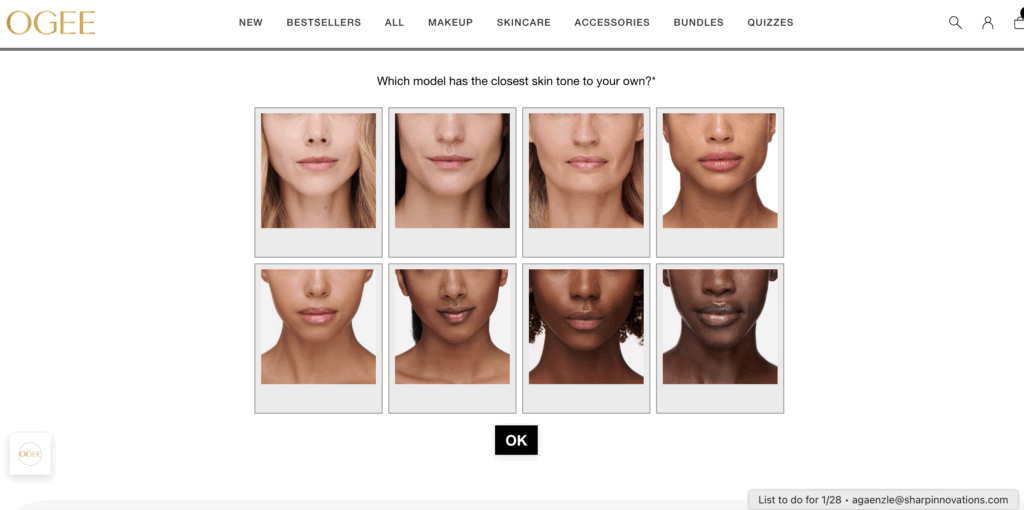 Image: OGEE makeup recommendation tool
 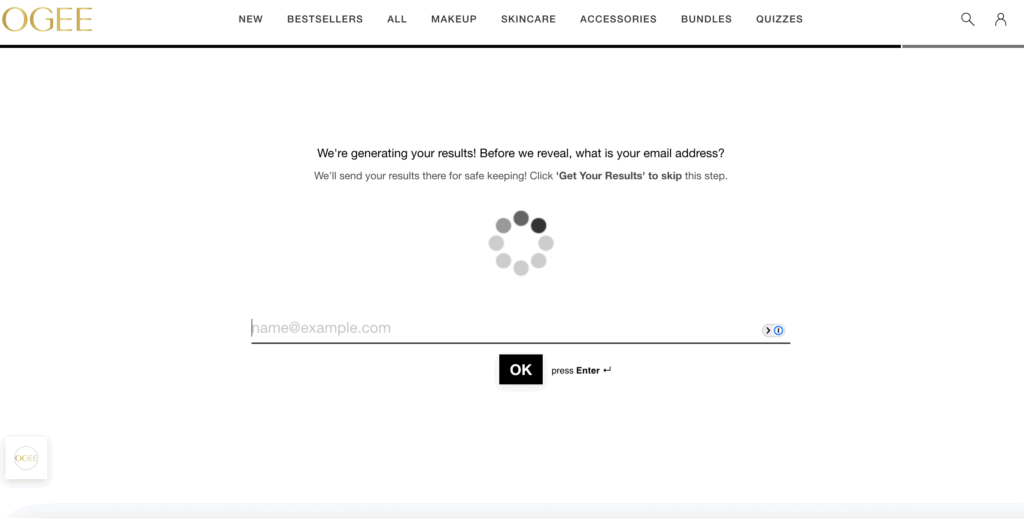 Image: OGEE requires email to see results of interactive quiz
 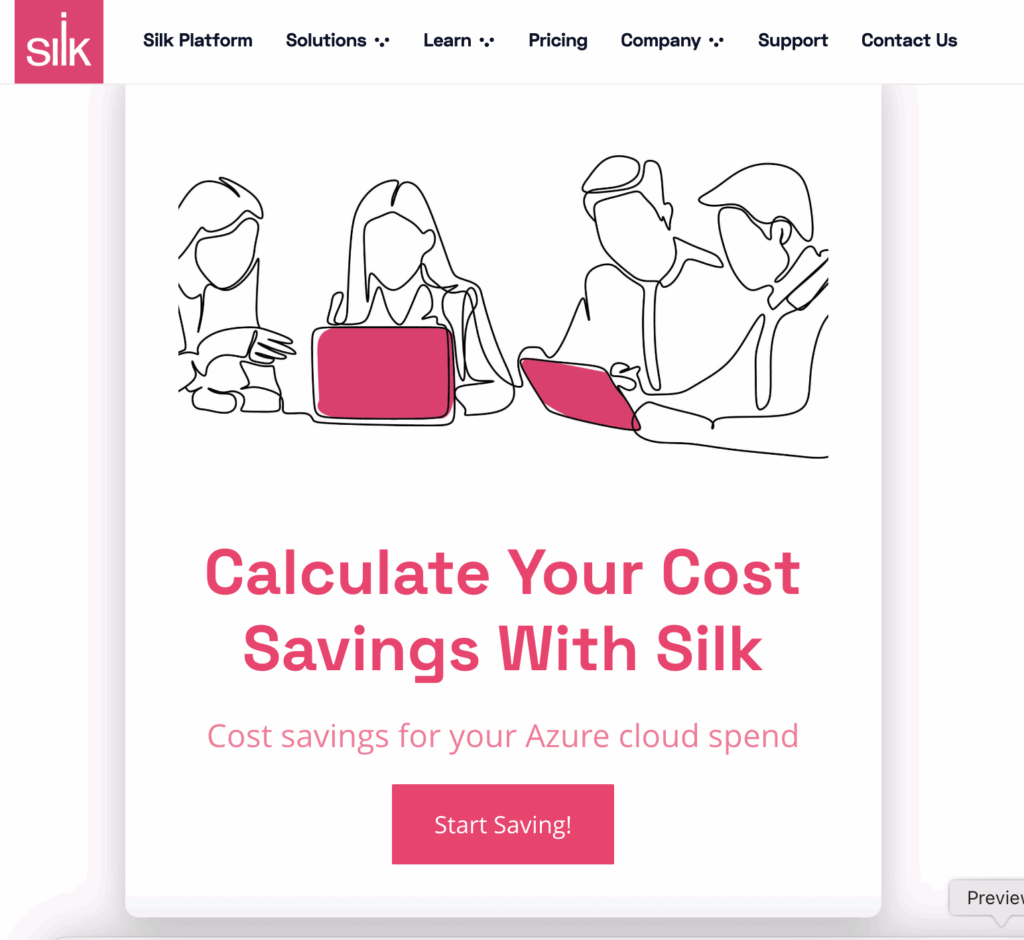 Image: Example of ROI savings calculator
 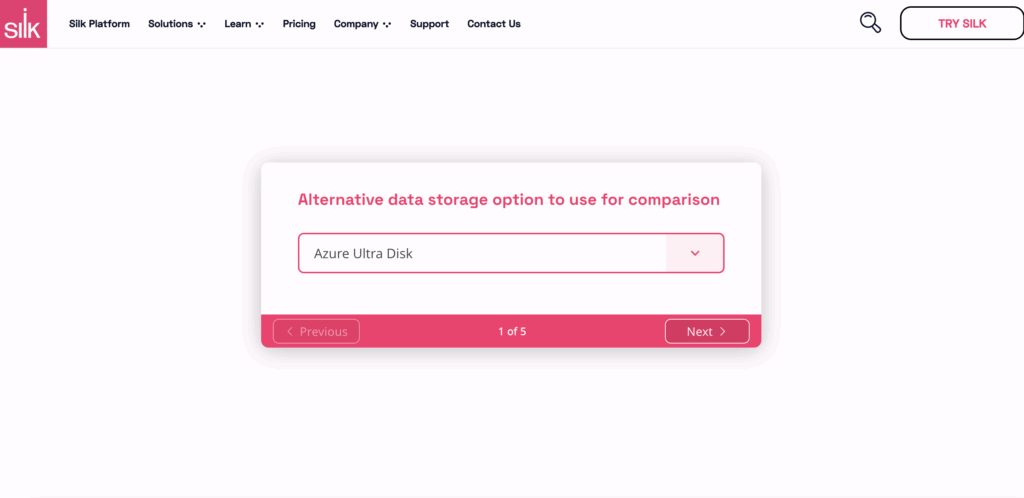 Image: Users select various options by answers questions with a drop down menu
 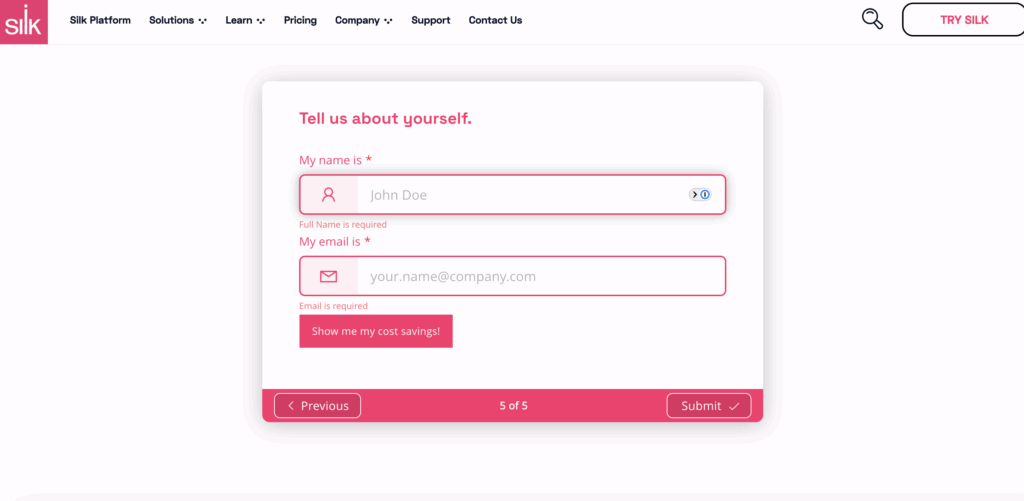 Image: Silk's ROI calculator requires visitors to enter email for lead generation before receiving results
 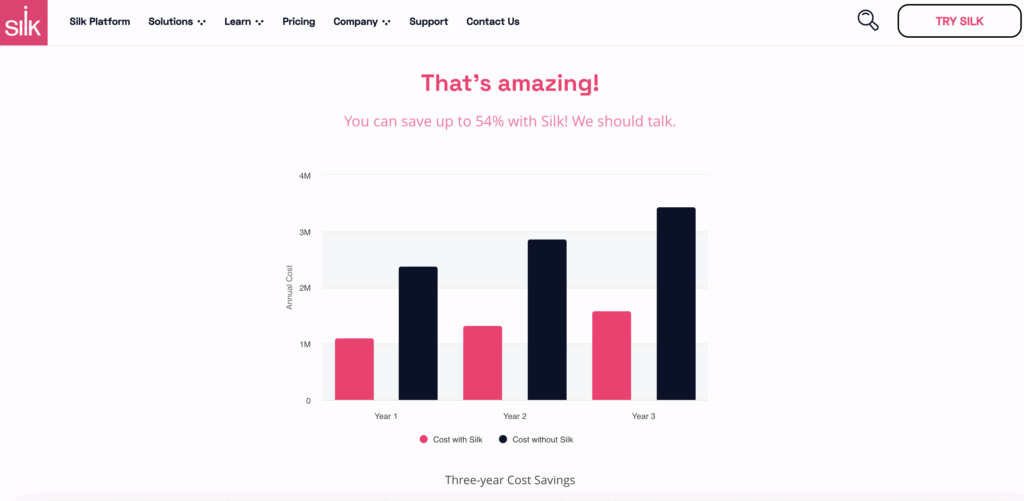 Image: Cost savings calculator results example
 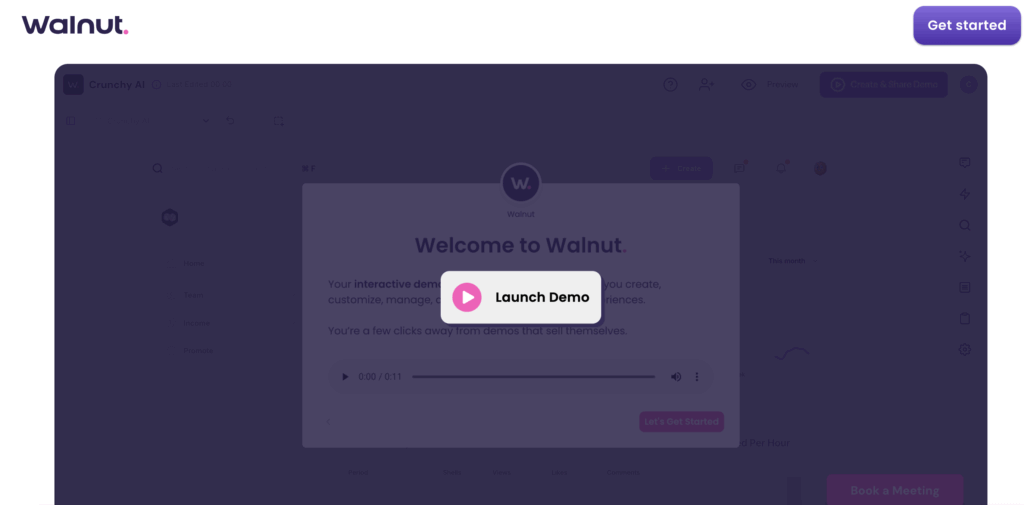 Image: Walnut has an interactive, clickable demo on-site
 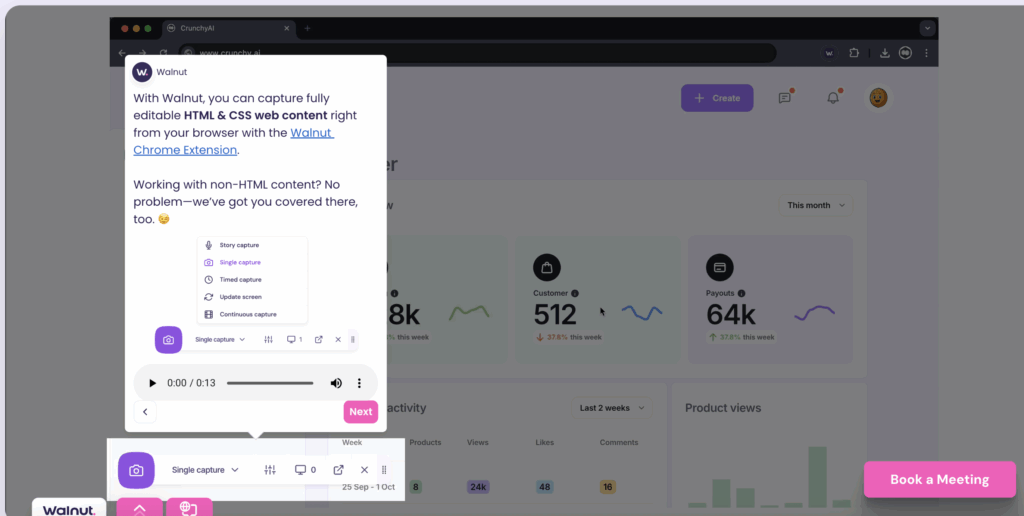 Image: Example of step by step, guided demo
 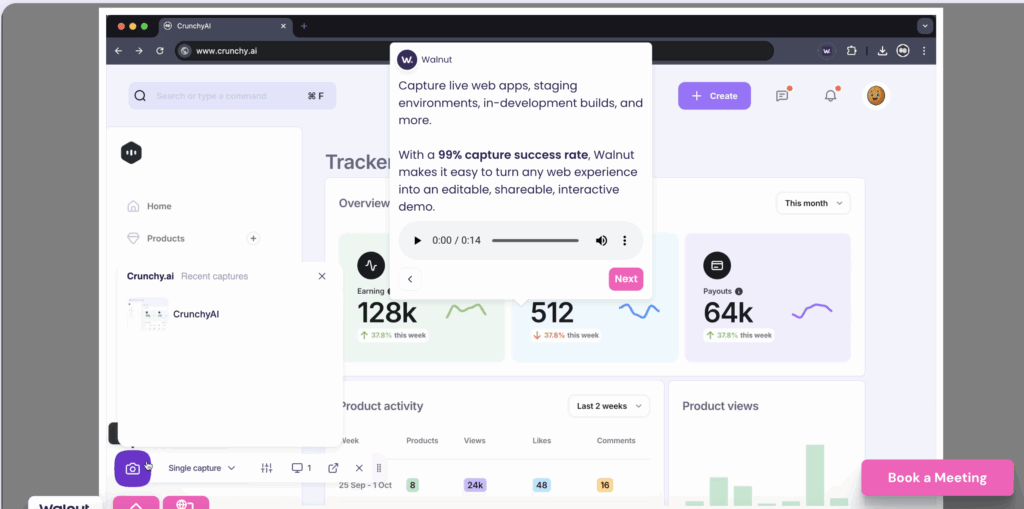 Image: Step-by-step interactive product demo by Walnut
Why interactive content converts better in 2026
Traditional content still plays an important role in the future of digital marketing, but it has a limitation. It assumes the reader will do the work. They have to interpret the information, decide what applies to them, and determine their next step. Interactive content removes much of that friction by guiding the user through the decision-making process in real time. That guidance matters more than ever. Today’s buyers are overwhelmed with options and information. When a brand helps them narrow choices or quantify outcomes, trust increases, and so does conversion likelihood. Another key reason interactive content performs well is data. When users engage with quizzes or tools, they willingly provide insights about their needs, preferences, and readiness. This zero-party data is far more valuable than inferred behavior because it’s explicit and contextual. From a performance standpoint, interactive experiences consistently deliver:- Higher time-on-page and engagement rates
- Better lead quality due to self-segmentation
- Stronger assisted conversions across channels
- Increased memorability and brand recall
The three interactive formats that consistently drive leads and sales
Not all interactive content marketing serves the same purpose. The most effective programs recognize that different formats work best at different moments in the customer journey. Broadly speaking, successful interactive content falls into three categories, each aligned with a specific decision stage.1) Quizzes that guide a choice (recommendation quizzes)
Recommendation quizzes are often underestimated because they feel lightweight. In reality, they perform a heavy lift. They reduce complexity. Instead of forcing users to compare options manually, quizzes translate preferences into clear recommendations. These quizzes work best when users feel uncertain or overwhelmed by choice. Rather than asking, “Which product should I buy?”, the quiz reframes the experience as guided discovery. Common use cases include:- Product selection for retail or DTC brands
- Service matching for agencies or consultants
- Plan or package recommendations for SaaS companies
- Lifestyle or preference alignment for experiential brands
- Ask questions users already expect
- Avoid industry jargon
- Deliver a result that feels specific, not generic
- Immediately suggest a next step tied to the result
Image: OGEE makeup recommendation tool Image: OGEE requires email to see results of interactive quiz2) Assessments that diagnose a problem (scored audits)
Assessments go deeper than quizzes. Instead of recommending an option, they evaluate a situation. These are especially effective in B2B, professional services, and high-consideration purchases where buyers need validation before committing. A strong assessment positions the brand as an expert, not a seller. It helps users understand where they stand, what risks they face, and what gaps exist, often revealing issues they hadn’t fully considered. Well-designed assessments typically include:- A clear scoring or categorization system
- A plain-language explanation of results
- A prioritized set of findings
- A logical path forward based on the outcome
3) Tools that create a number (calculators, estimators, configurators)
If quizzes spark interest and assessments build understanding, tools drive decisions. Calculators, estimators, and configurators attract users who are actively evaluating cost, feasibility, or ROI. These tools convert well because they answer questions that are difficult to estimate mentally. When a brand helps quantify impact, financial, time-based, or operational, it becomes part of the decision logic. In 2026 and beyond, high-performing tools share a few traits:- Mobile-first design that’s fast and intuitive
- Conditional logic that adapts based on inputs
- Visual outputs that make results easy to grasp
- Plain-language explanations alongside numbers
Image: Example of ROI savings calculator Image: Users select various options by answers questions with a drop down menu Image: Silk's ROI calculator requires visitors to enter email for lead generation before receiving results Image: Cost savings calculator results exampleWhat “modern” interactive content looks like now
Interactive content has matured significantly. Brands are developing custom applications, enabling them to present unique interactive tools and content to their audience. What once felt like a novelty is now expected to meet the same UX and performance standards as core product experiences. Modern interactive content is:- Fast and lightweight
- Visually clean
- Purpose-driven
- Integrated with analytics and CRM systems
AI-assisted personalization (without the gimmicks)
AI’s most effective role in interactive content is subtle. Instead of flashy outputs, it improves:- Question routing and logic
- Content summaries and recommendations
- Output language tailored to user context
- Ongoing optimization based on engagement patterns
Interactive video and guided experiences
Short-form video has trained users to expect interaction. That expectation is now carrying over into landing pages, onboarding flows, and product education. Choose-your-path experiences, clickable demos, and guided walkthroughs allow users to explore at their own pace while still being directed toward conversion points.Interactive demos for complex offerings
For products or services that are difficult to explain quickly, interactive demos reduce friction by letting users experience value rather than imagine it. These demos often outperform traditional sales content because they:- Reduce reliance on live calls
- Shorten sales cycles
- Pre-qualify interest before human interaction
Image: Walnut has an interactive, clickable demo on-site Image: Example of step by step, guided demo Image: Step-by-step interactive product demo by WalnutReal-world examples you can learn from
Recent interactive marketing examples show that success doesn’t depend on industry, it depends on execution. Across sectors, high-performing experiences share common traits:- Clear purpose
- Strong personalization
- Immediate usefulness
- Seamless next steps
A practical playbook: how to build interactive content that actually converts
Interactive content performs best when it’s treated like product development rather than a marketing experiment.Step 1: Start with a single high-intent question
Every successful interactive experience starts with one question the audience already has. If the question isn’t compelling, the experience won’t be completed. Focus on questions tied to:- Cost
- Fit
- Risk
- Readiness
- Outcomes
Step 2: Design the result before the questions
The output defines the experience. Before writing a single question, determine:- What the user will receive
- How specific it will be
- What action it should prompt
Step 3: Keep it short, then offer depth
Short interactions convert better. Depth should be optional, not mandatory. The goal is momentum, not exhaustion.Step 4: Tie results to a clear next step
Every interactive result should answer, “What should I do now?” Whether that’s booking a call, viewing a product, or downloading a report, the path forward should feel natural.How to measure success without fooling yourself
High engagement alone doesn’t equal success. The most meaningful metrics focus on impact, not interaction. Key metrics to monitor include:- Completion rate
- Conversion rate
- Lead quality
- Assisted conversion influence
- Drop-off points by question
Common mistakes to avoid in 2026
Even strong ideas fail when execution misses the mark. The most common pitfalls include:- Gating too early
- Asking too many questions
- Producing vague results
- Failing to follow up
- Treating interactive content as a novelty
Interactive content is a conversion advantage you can build now
In 2026, the brands that win attention don’t just publish, they participate with their audience. Interactive content turns marketing into guidance, content into utility, and interest into action. Quizzes help people choose. Assessments help people understand. Tools help people decide. When designed with intent and clarity, interactive content becomes one of the most reliable ways to convert attention into measurable business outcomes.Categories: Uncategorized, Digital Marketing, Content Writing | Authored by: Brent Amman | Posted: 02/05/2026